Polyimide Degradation in Industrial Applications
Polyimide is a material that’s essential in many industrial applications. Known for its strength and flexibility, polyimide is often used in places where materials must withstand tough conditions. You’ll find it in aircraft and aerospace, motors, and even in mining operations. But like any material, polyimide can face challenges over time that might reduce its efficiency and reliability. One such challenge is degradation, a process that can compromise the material’s strength and ability to perform effectively.
Understanding degradation is crucial for anyone working with polyimide. It acts a bit like a gradual weakening, where the material slowly changes its properties due to factors like heat, chemical exposure, and mechanical stress. Recognizing and preventing degradation ensures that polyimide remains tough and reliable in industries that rely on its properties. Let’s explore what polyimide degradation entails and how to prevent it from occurring in critical applications.
What Is Polyimide Degradation?
Polyimide degradation refers to a process where the material deteriorates over time due to various environmental factors. This can be a natural process, but it often accelerates under specific conditions. As polyimide degrades, its physical properties change. This means it might become less flexible or lose its strength, impacting its overall performance in applications where reliability is key.
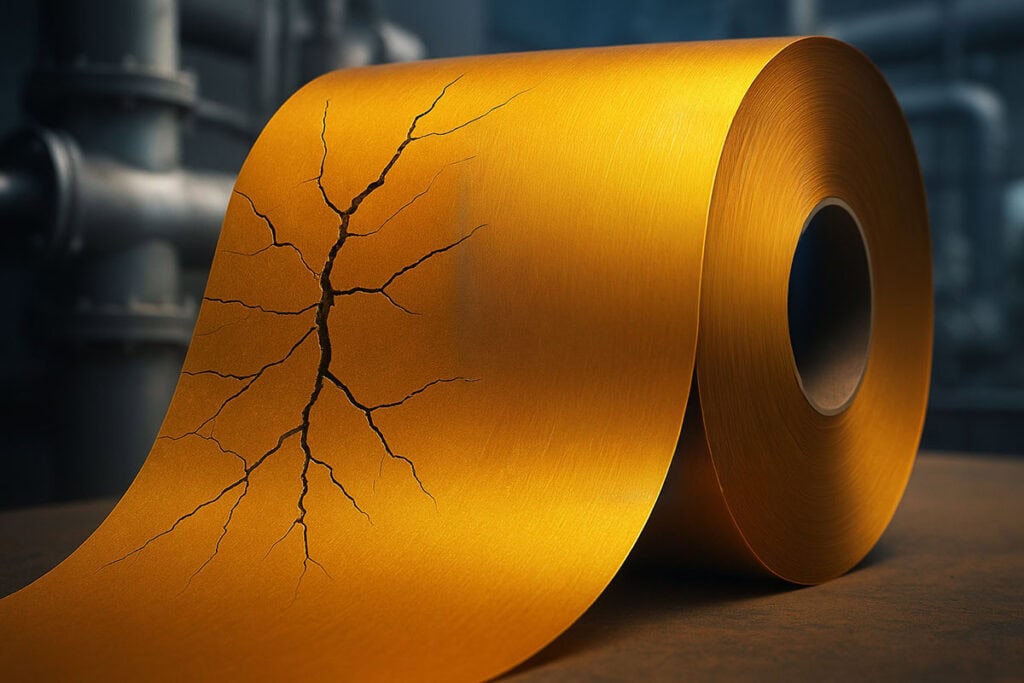
Signs of polyimide degradation might be subtle at first. Users might notice slight changes in the material’s color or even small cracks forming on its surface. These visual cues can serve as early warnings that the material’s integrity is being compromised. In industrial settings, such signs can spell trouble, potentially leading to equipment failure or reduced efficiency.
The effects of degradation aren’t limited to aesthetics. Over time, these changes might lead to poor electrical insulation or diminished chemical resistance. Such weaknesses can affect how polyimide performs in applications like aerospace or flexible printed circuitry, where durability and consistency are critical. Understanding these signs allows for timely intervention and the application of preventive measures.
Causes of Polyimide Degradation
Various factors can lead to polyimide degradation, but some are more common in industrial settings:
- High Temperatures: Polyimide usually withstands heat well, but prolonged exposure to excess temperatures can degrade its structure. This exposure causes the molecular bonds to weaken, which affects the material’s strength and flexibility.
- Chemical Exposure: Having contact with aggressive chemicals can erode polyimide over time. Industrial environments where chemicals are abundant put polyimide at greater risk if not adequately protected.
- Mechanical Stress and Wear: When polyimide handles constant mechanical stress, it can eventually develop microscopic fissures. These tiny cracks can grow under continuous pressure, weakening the material over time.
Knowing the common causes helps in tailoring preventive measures to protect polyimide in various applications. By addressing these factors, industries can ensure polyimide retains its valuable properties and continues to support critical functions in challenging environments.
Preventive Measures for Polyimide Degradation
To keep polyimide in top shape across its various applications, certain measures prove handy. First, picking high-quality polyimide products ensures a good start. High-grade materials face less risk of degradation because they’re built to endure difficult conditions. This initial choice can save a lot of trouble down the road.
Applying protective coatings and treatments is another smart approach. These coatings act like a shield, blocking harmful elements like chemicals and excessive heat. They can enhance the natural resilience of polyimide, providing extra defense against environmental stresses. For example, in aircraft and aerospace, protective coatings maintain the integrity and performance of polyimide, even in harsh conditions.
Regular maintenance and careful handling are also key. Keeping polyimide products in good condition involves routine inspections for any early signs of wear or damage. Catching small issues early means they can be fixed before becoming bigger problems. Ensuring that polyimide films are not subjected to unnecessary stress or mishandling extends their useful life considerably.
Benefits of Preventing Polyimide Degradation
Working to prevent polyimide degradation offers various benefits for many industries. First and foremost, it helps prolong the lifespan of equipment. When polyimide retains its properties, machinery and devices continue to function smoothly without frequent interruptions for repairs or replacements.
A well-maintained polyimide product enhances overall performance and reliability. In critical industries such as mining and drilling, where performance directly affects productivity and safety, maintaining material integrity ensures operations run smoothly without unexpected hiccups. This reliability translates into less downtime, which naturally leads to significant cost savings.
Preventing degradation also reduces maintenance costs. By minimizing the risk of damage and the need for frequent replacements, industries save both time and money. This proactive approach means resources can be allocated more effectively, enhancing operational efficiency across sectors.
Ensuring Longevity in Industrial Applications
For industrial applications to succeed long-term, choosing the right materials is vital. Polyimide film stands out because of its durability and ability to withstand challenging environments. Utilizing such material leads to a more effective and lasting solution in demanding settings.
Adhering to best practices in choosing and applying polyimide is equally important. This involves understanding the specific needs of an application and selecting the appropriate polyimide product to match those needs. By doing so, industries can leverage the full potential of polyimide performance.
Addressing degradation is as crucial as utilizing the capabilities of polyimide itself. Through thoughtful selection, application, and maintenance, polyimide continues to support vital operations in diverse industries, ensuring that their functions remain seamless and dependable over time.
To explore how this versatile material plays a role in improving industrial resilience and reliability, read more about what is polyimide. APICAL® Polyimide Film is dedicated to delivering advanced solutions that support long-term performance across demanding applications.