Preventing Solder Joint Cracking for Long-Lasting Circuit Board Performance
Solder joint cracking can be a real headache, especially for those working with polyimide circuit boards. It’s a problem that sneaks up on you, compromising the reliability of electronic devices. Whether you’re dealing with critical aerospace instruments or everyday consumer electronics, ensuring that solder joints hold strong is paramount for overall performance and longevity. Knowing how to tackle this issue effectively can make a big difference in keeping your electronics running smoothly.
Addressing solder joint cracking isn’t just about quick fixes; it’s about understanding the problem at its core and taking steps to prevent it from happening again. This means delving into the specific reasons why cracking occurs and implementing solutions that really work. Stay with us as we explore how to manage this issue so you can keep those polyimide circuit boards working at their best.
Understanding Solder Joint Cracking
Diving into solder joint cracking requires a bit of background knowledge. Simply put, a solder joint is a connection point on a circuit board where components are held together by solder. Over time, these joints can form cracks due to various environmental and mechanical factors. These cracks can lead to intermittent or complete failure of the circuit, which is a nightmare for any tech-dependent operation.
Recognizing the early signs of solder joint cracking can save you time and hassle later on. If you start noticing erratic behavior in the circuit or experience changes in performance, these might be telltale signs that your solder joints are in trouble. Inspecting the physical appearance of the board can also offer clues, such as visible lines or separation in the solder.
Key Causes of Solder Joint Cracking
The mechanics of solder joints can be disrupted by several factors that lead to cracking. Here are some of the usual suspects:
- Temperature Fluctuations and Thermal Cycling: Frequent changes in temperature can cause solder joints to expand and contract, ultimately leading to cracks. This is particularly true in environments where electronics face extreme heat or cold, known as thermal cycling.
- Mechanical Stress and Vibration: Vibration or physical stress on the device can lead to solder joints cracking over time. This is especially common in mobile devices or equipment exposed to consistent movement and handling.
- Poor Soldering Techniques and Materials: Using the wrong materials or techniques during the assembly of circuit boards can predispose solder joints to cracks. A solder job that’s done without proper skill or the right soldering materials often results in weak joints right from the start.
These issues emphasize why understanding the root causes of solder joint cracking is necessary. Having a grasp on these factors means you can better address and mitigate potential problems before they escalate further. With that knowledge, you’re better equipped to implement preventive measures that really make a difference in maintaining strong, effective solder joints.
Preventative Measures
To avoid solder joint cracking, it’s important to implement strategies that keep your circuit boards in top shape. Start by ensuring that the soldering techniques and materials are up to snuff. This means using the right type of solder and flux, along with proper equipment, to create joints that can withstand the test of time.
Consider designs that relieve stress on the solder joints. This might involve using flexible connectors or mounting methods that reduce the strain on sensitive areas. Reducing physical shock through smart design can significantly lower the risk of joint failure.
Environmental conditions play a big role too, so aim to maintain stable operating settings. Protect your equipment from excessive temperature swings or vibrations whenever possible. Proper casing and insulation can help mitigate these external threats, keeping your solder joints intact.
Solutions for Fixing Solder Joint Cracking
If you find yourself dealing with cracked solder joints, it’s not the end of the world. There are ways to address it effectively. Begin by carefully diagnosing the issue. Disassemble the affected components if necessary, and inspect the joints using a magnifying tool to pinpoint the cracks.
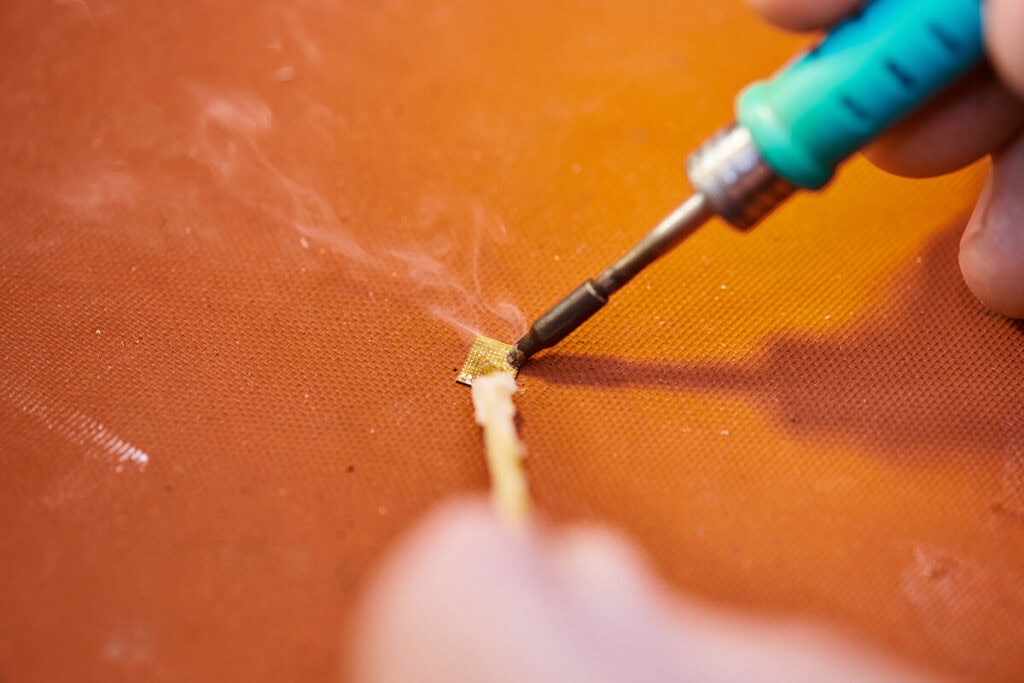
To repair, try reflowing the solder. This process involves heating the existing solder until it flows and reforms a solid connection. Be cautious to not overheat the components or use poor-quality solder, as this can cause future issues.
If the cracking persists or seems widespread, it might be time to consult a professional. They can offer in-depth repairs and even preventive adjustments that ensure long-lasting results. Don’t shy away from seeking expert help when a DIY approach just won’t cut it.
Long-Term Maintenance Tips
Maintaining your circuit boards over the long haul is all about routine diligence. Regular inspections can help spot developing problems before they turn into serious failures. Set up a maintenance schedule to check for any signs of stress, such as discoloration or hairline cracks.
Keeping temperatures stable is crucial. Ensure your equipment operates within a safe temperature range, using fans or cooling systems where needed. Similarly, try to cushion your devices from vibrations by situational changes, like placing them on stable surfaces or using shock absorbers.
Consistent maintenance doesn’t just prevent problems; it extends the life of your electronics. Investing a bit of time now can save a lot of headaches later.
Ensuring the Reliability of Your Polyimide Circuit Boards
Keeping polyimide circuit boards reliable takes understanding and effort. By identifying causes and preventive steps for solder joint cracking, you not only tackle existing issues but also keep future troubles at bay. Regular care and inspections are key to maintaining optimal performance and durability.
Proactive care, combined with professional advice when needed, ensures that your electronics run smoothly for the long term. Polyimide circuit boards serve as the backbone for many advanced technologies, so safeguarding them from problems like solder joint cracking is a smart strategy. By doing so, you ensure their effective functionality and maximize their lifespan.
Enhance the reliability and performance of your electronic devices by addressing solder joint cracking on your circuit boards. Discover how integrating polyimide circuit board solutions from APICAL® Polyimide Film can help fortify these crucial connections. Protect your investments by understanding common causes and employing strategies that extend the life of your polyimide circuit boards. Contact us today to get the most robust solutions necessary for maintaining optimal continuity and longevity.