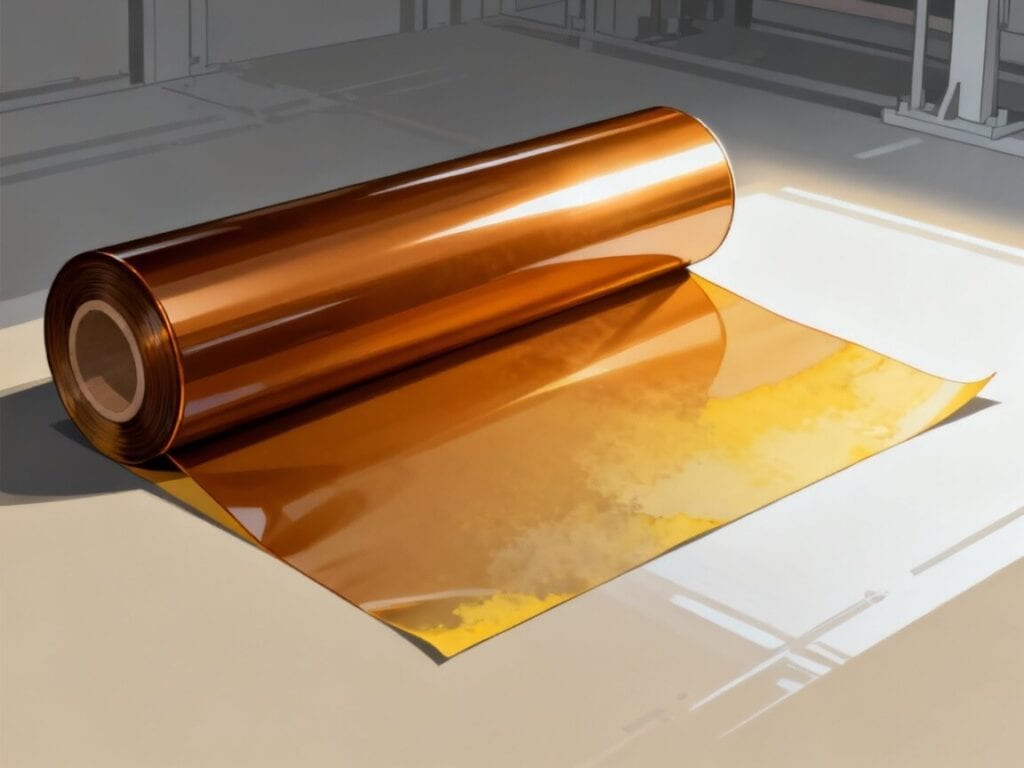
Understanding Polyimide Sheet Discoloration
Polyimide sheets are an essential material across many high-tech industries, prized for their impressive thermal stability and chemical resistance. Whether used in aircraft, motors, or flexible printed circuitry, these sheets stand up well to tough conditions. However, some users find themselves frustrated when their polyimide sheets start to discolor under UV light. This can seem alarming, especially when the sheets are expected to last and perform without fail.
Understanding why this happens is the key to preventing it. The discoloration, while common, can signal underlying issues with the material or its exposure level. Knowing the causes can help you keep your polyimide sheets in good shape, as well as maintain their quality and effectiveness in their applications.
How UV Light Affects Polyimide Sheets
Sunlight contains UV light, which can lead to changes in polyimide sheets over time. When UV light hits a polyimide sheet, it can trigger chemical reactions within the material. This interaction can weaken the sheet structurally and cause its color to change. The UV energy breaks down the molecular bonds in the polyimide, leading to fading or yellowing.
Here are some common signs that UV light might be affecting your polyimide sheets:
- Fading: The original color of the sheet becomes lighter or washed out.
- Yellowing: The sheet develops a yellow tint, which can indicate degradation.
- Brittleness: The sheet feels less flexible as the UV exposure affects its integrity.
These changes are significant not only in altering the sheet’s appearance but potentially impacting its performance in certain applications. If a polyimide sheet is planned for outdoor or UV-exposed settings, monitoring these signs can help in early detection and prevention.
Causes of Discoloration
Discoloration in polyimide sheets mainly stems from their chemical composition, environmental factors, and the gradual degradation of the material—all primarily influenced by UV exposure.
- Chemical Composition: Polyimide sheets, by their nature, may vary slightly in makeup depending on the manufacturer. This composition plays a big role in how they react to prolonged UV exposure. Certain chemical constituents might be more susceptible to UV light than others, leading to quicker or more pronounced discoloration.
- Environmental Factors: The extent of discoloration can heavily depend on how long and how intensely the sheets are exposed to UV light. Direct sunlight, high-temperature areas, and unprotected spaces can accelerate the rate of change, resulting in visible damage to the sheets.
- Material Degradation: Over time, the breakdown of polyimide’s molecular structure is inevitable when exposed to certain environments. Prolonged exposure without adequate protection can lead to deeper degradation beyond mere discoloration, potentially affecting the structural integrity and performance of the sheet.
Understanding these causes helps in crafting strategies to safeguard your polyimide sheets, allowing them to maintain their original properties and functionality longer. These factors underline the importance of preventive measures, ensuring that the material remains both reliable and effective in its applications.
Preventing Discoloration
Keeping polyimide sheets in top shape involves a few proactive measures. The most straightforward step is selecting the right material for your needs. Opt for sheets that have built-in UV resistance if exposure to ultraviolet light is expected. This can significantly reduce the risk of discoloration, as these materials are engineered to withstand the intensity without breaking down.
Another effective method to shield your polyimide sheets is by applying a protective coating. These coatings act like a sunscreen, creating a barrier between the sheet and the harsh UV light. They help in maintaining both the appearance and the strength of the material over time. A filter or shield over areas where the sheets are exposed to sunlight can also help. This reduces direct contact with UV rays, curtailing potential discoloration.
Besides choosing the right material and adding protective layers, proper handling and usage of polyimide sheets are crucial. Here are some simple tips to minimize UV exposure:
- Store sheets in a shaded area when not in use.
- Use UV-blocking films or covers if they’ll be exposed to consistent sunlight.
- Regularly inspect the sheets for any signs of discoloration or brittleness.
Adopting these practices can help preserve the physical properties of polyimide sheets, ensuring they perform as expected in their applications.
Preserving Polyimide Performance
To wrap it up, addressing discoloration in polyimide sheets starts with understanding the factors that contribute to the problem. By considering chemical makeup, environmental exposure, and material degradation, users can better anticipate and address potential issues. Selecting materials with built-in UV resistance, applying protective coatings, and using thoughtful handling procedures are practical solutions to this common challenge.
By taking these steps, you can extend the life of polyimide sheets and maintain their functionality. It’s all about finding the balance between utility and protection, ensuring these sheets perform well in any setting. As technology and materials evolve, staying informed and proactive will help in making the most of these versatile and valuable components.
To learn more about maintaining the durability and performance of your polyimide sheet, explore the advanced materials and coating solutions available from APICAL® Polyimide Film. Staying informed on the latest innovations will help ensure your sheets remain effective and long-lasting in any application.