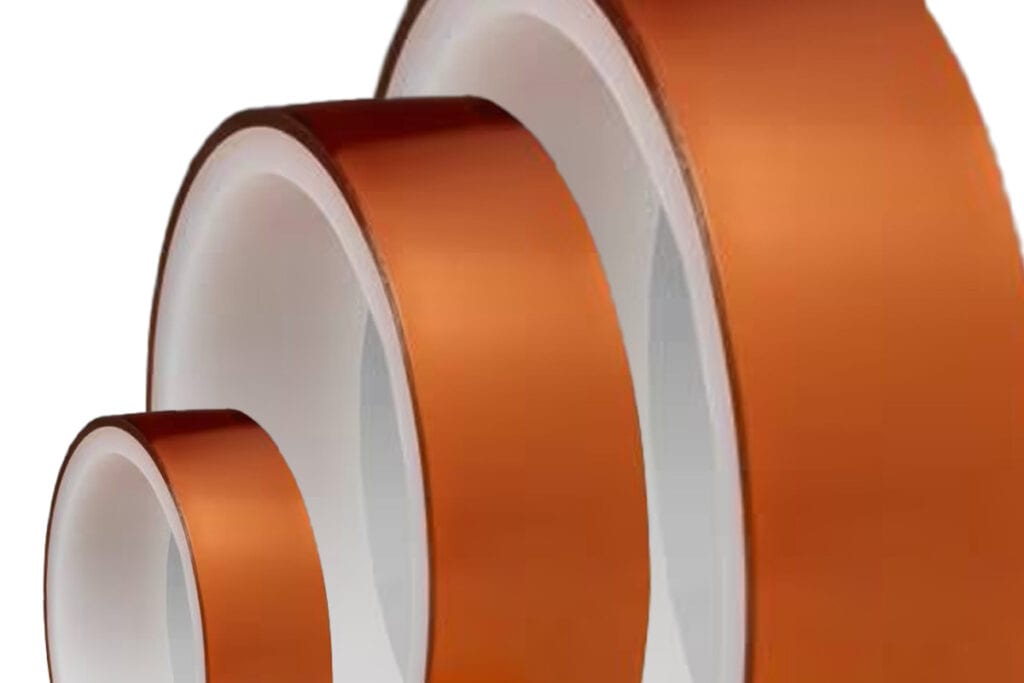
Why Does Polyimide Tape Leave Residue
Polyimide tape is known for its versatility and ability to handle tough conditions like high temperatures and electrical insulation. However, one hiccup many users experience is the sticky residue it sometimes leaves behind. Why does this happen, and more importantly, how can it be avoided? Tackling these questions can keep your work area tidy and improve your project’s overall quality.
If you’ve ever used polyimide tape for sealing or insulation, you’ll know it’s a hassle when residue sticks around after the tape is removed. But understanding why this happens can help prevent it. Factors like the type of adhesive and the surfaces you’re working with often play a significant role. Stay with us as we explore these details and learn how to manage and avoid that annoying residue.
Causes of Residue Formation
Several factors contribute to why polyimide tape might leave sticky remnants behind. Here’s a breakdown of common causes:
- Adhesive Composition: The glue on polyimide tape is specially designed to withstand harsh conditions. However, not all adhesives are created equal. Some may bond too well, leading them to stick to surfaces more firmly than intended.
- Surface Interactions: The kind of surface you’re applying the tape to also affects residue. Rough or porous surfaces can grip the adhesive more tightly, making it difficult to get off cleanly.
- Environmental Factors: Conditions like temperature and humidity can significantly impact how the tape’s adhesive behaves. For instance, a hot, humid environment might make the glue softer and more prone to leaving residue.
Each of these elements influences how easily your tape can be removed cleanly. Knowing what you’re up against is half the battle when it comes to keeping your workspace clean and efficient.
Solutions to Remove Residue
Finding yourself with sticky remnants after stripping off tape can feel like a chore. Thankfully, a few simple remedies can solve the issue:
- Appropriate Solvents: Sometimes, a little chemistry can go a long way. Solvents designed for adhesives can break down the residue, making it easy to wipe away.
- Mechanical Scraping: For more stubborn bits, gently scraping the surface with a tool can help lift the leftover adhesive. Just be careful to avoid scratching or damaging the surface underneath.
- Specialized Cleaning Products: Several products are specifically made to tackle adhesive residue. These cleaning aids can safely and efficiently deal with residue without a fuss.
By understanding these methods, you’ll be prepared to deal with residue effectively when it shows up, ensuring a smooth surface, ready for whatever comes next.
Preventive Measures to Avoid Residue
Getting rid of residue after it’s already left behind can be troublesome. Luckily, a few preventive measures can minimize this outcome from the start. Ensuring proper surface prep, using the right tape for each job, and applying it correctly are all key steps.
- Proper Surface Preparation: Clean the area where you’ll apply the tape. Dirt, grease, or moisture can mess with how well the tape sticks and comes off later.
- Choosing the Right Tape: Different tapes are designed for different tasks. Make sure you’re using a polyimide tape designed for your specific application to reduce residue chances. For high-strength needs, a silicone-based adhesive might be ideal, while for lighter tasks, an acrylic adhesive could suffice.
- Correct Application Techniques: Apply the tape evenly and avoid stretching it too much, which can increase the adhesive’s grip. Be mindful of the temperature and humidity when applying, as these can affect the adhesion as well.
By prioritizing these strategies, you can cut down on instances of stubborn residue, saving time and ensuring your surfaces remain unblemished and ready for further use.
Best Practices for Using Polyimide Tape
Understanding how to use polyimide tape effectively can make your projects smoother and more efficient. Following best practices can help in reducing the likelihood of adhesive residue issues, preserving your surfaces, and prolonging the tape’s life.
- Storage and Handling: Keep your polyimide tape in a cool, dry place to maintain its adhesive properties. Extreme temperatures can alter the tape and cause performance issues.
- Routine Checks and Maintenance: Regularly inspect the tape usage areas for wear and tear. Addressing potential problems early can prevent tape from sticking too strongly over time.
- Staff Training: Ensure that anyone using the tape understands how to apply and remove it properly. This education can drastically reduce the chance of leaving residue and enhance operational efficiency.
- Consistent Evaluation: Periodically reassess the types of tape you use. Different jobs might require different adhesive strengths, and what worked before might not be the best choice anymore.
Incorporating these practices can help achieve better results, making your experience with polyimide tape as hassle-free as possible.
Keeping Your Applications Clean and Efficient
Residue from polyimide tape, while frustrating, doesn’t have to be a dealbreaker. By learning what causes it, how to remove it, and ways to prevent it, you can maintain a spotless work area and enhance the quality of your projects. Clean surfaces are essential for precision tasks, so taking the time to understand and apply these techniques pays off.
Having a methodical approach to using polyimide tape ensures your surfaces remain in top condition. Paying attention to the details like proper tape selection and application can save you from unnecessary cleaning and extend the lifespan of your equipment and materials. By sticking to these guidelines, you’ll find that keeping your workspace residue-free becomes second nature.
Applying the right techniques and using top-quality materials can make all the difference in keeping your applications efficient and residue-free. To discover more about how polyimide tape can enhance your projects, explore the innovative solutions offered by APICAL® Polyimide Film, committed to helping your work remain clean, precise, and productive.